
Serendipity is one of the hardest words in the English language to define. The unexpected chance of luck, random good fortune? There are so many variations one can use to try to convene what it means.
So here’s the story behind my moment of serendipity… I am constantly at war with myself about the merits of my PhD. I love my topic (storytelling and disease, particularly the lived experience with HIV/AIDS in Malawi). I believe there is a place for oral narratives in the world of medicine to explain the collective condition of health, wellbeing and its counterpart, illness. But I have struggled to find a research post that sticks despite affirmations from others that this work is important.
I was just about to give up and spent several days looking at corporate jobs in Chicago where my sister lives. That same day a relative calls me up excited to have a friend that is keen to find a researcher based in Malawi whose focus is HIV/AIDS for a mixed methodology study on the livelihoods of HIV/AIDS in Malawi prisons. I was hesitant at first as I am overwhelmed with trying to publish a book on the same topic but in a greater scope of HIV/AIDS narratives across sub-Saharan Africa. But within a day, I applied and was hired.
So in the past two weeks, I have toured 5 of my 6 assigned prisons in Malawi.
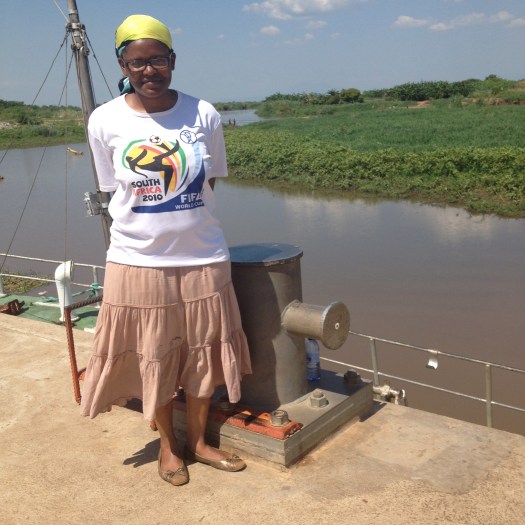
(This is me looking exceptionally ridiculous and tired in my casual research gear in Nsanje Port, Malawi.)
I feared it would throw me in a depressive bout but the inmates have been phenomenal to talk to, even those who are physically hardened if not scarred by prison life. Many bear wounds that can only result from heavy weaponry, brutal beatings or self-inflicted trauma. But they have been exceptionally forth coming about prison life in Malawi, especially how they view and value health and their livelihoods. I have found that the hardest part about writing a report about their human rights and access to health care within prisons is not so much about internal problems plaguing prison facilities. It is the fact that the perceptions of prisoners of the general population is so staunchly oppositional that they are almost set up to fail. There is no redemption for the convicted in the eyes of Malawians. There is no reform, no reintegration. Just rejection. It is hard for prisoners everywhere in the world to convince others that they have changed but in a climate of absolute poverty it is almost impossible to mobilize otherwise.
So I am pleased that I am taking part of this work to find a solution on how to improve prospects for acceptance and reintegration for a very stigmatized population of Malawi. So this moment of serendipity was to have this challenging project brought to me. It was affirmation that there is room for humanism even in the world’s most remote and forgotten places of the world.
 Miss Chisomo | Life and Work in the Medical Humanities