In-recovery identity crisis

I’m in the middle of an identity crisis. For 5 years beginning in 2011, I was sick with an diagnosed autoimmune thyroid disorder. For 5 years, by the end of the day, I was not the person I was in the morning. I battled sleepless nights, anxiety, memory loss, unshakable weight gain and the most incredible lethargy.  I would wake up at 9 am; by 11 am, it was a struggle to stay awake until bedtime when I couldn’t really sleep well.  It became so normal that I just assumed that most people couldn’t stay awake for the entirety of the day but had to find their own triggers to keep them alert. It sounds silly. But it is important to stress that for 3 years, my GP insisted that I needed to learn how to deal with stress better. I was convinced by my doctor that I was battling stress. By my last visit with him in 2014, he looked me in the eye and said ‘Stop playing a victim. There is nothing wrong with you.” I never saw him or any doctor again until 29 August 2016.

During those diagnosed years, I would make awesome plans with my friends out of excitement. By the time the hour arrived, I would cancel 80% of the commitments. My body was unable to keep up with my spirit. There were very few friends who stood by me at the end of it. I too struggled to understand how this party animal turned into a perpetual flake. The month I was diagnosed, I was sleeping up 16 hours a day. By the time I got dressed and made it to the door, I could no longer remember where I was going.

Being sick for 7 years has changed me. I have been on hormone replacement therapy for 2 years and I will be for life. Whilst it has monumentally changed my life, there are things that I have to do every day that I didn’t have to prior to 2011. I vaguely remember the carefree, outgoing person I used to be. Even when that girl decides to come out, I have to stick to a disciplined lifestyle in order to maintain my good health. I can’t pull regular all nighters anymore. There are no more cheeky Tuesday drinks. There is no more bread or gluten. No more over exertion. No more intense 15-hour work binges. No more long drives. No. Those things thrust me back into my sick zone. My sustained wellbeing requires that I ensure that I do not overwhelm myself for a prolonged period, which for me even 24 hours of poor planning can set me back 2 weeks.

So that brings me to my identity crisis. I am trying to figure out who I am now. All of my activities: my professional life, personal life, philanthropy have taken a backseat to monitoring my health and preventing a relapse. I have accepted that this is going to be my reality for the rest of my life.

Who am I as an academic? To this day, I don’t know how I completed my thesis, but I did. And I have a 3-year contract job now. And it’s another part of my life that I now have to balance with my health.

Naturally, I’ve decided to read my way through this crisis. So the point… is every week I’m going to read a book about perseverance and attempt to blog about it. I tend to keep most of my writing in my notebooks but I am trying to engage more online.

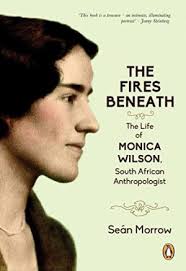
I decided to read ‘The fires beneath: The life of Monica Wilson, South African anthropologist‘. My dad gave it to me as she was quite influential in anthropological fieldwork.
download

I’ll be back next week with a review.
On no longer reading and writing…

I walked away from a trade publishing job in 2008, just about 9 years ago. I absolutely loved the work as an assistant editor and I adored my boss to pieces. Even though I wasn’t the best at my admin tasks, he trusted my editorial instinct and I tried to ensure that he was happy with my work. At the time, the subprime mortgage clusterfuck had all of us New Yorkers shaking in our boots and fearing the worst. Many were shaken from the tree. I chose to leave at that time because I too had no idea where the industry would end up (it survived). Editing was exciting but I wanted more from the other side of the desk.

Even though I never pubished my work, and at the time, never cared to, I had always been a writer. And after publishing, I planned to pursue a career as a literary scholar. It sounds perfect, right?  You study it, practice it, teach it, and read books all day long. The AIDS epidemic had dominated my consciousness and my writing and still does in an academic sense. Too many relatives were sick. So many people were dying. In Manhattan, I befriended many gay men who understood how an epidemic can seize your consciousness in a way that my contemporaries could not understand. We had a common understanding of the fears and anxieties of our own and our communities. That feeling of helplessness for others, for your family, neighbours, nation and not knowing if a cure would come and save all of us from this. I wanted to understand how Africans (specifically Malawians) wrote about health (specifically AIDS) and why it mattered in global literature. I had many chats with survivors in New York about many things but it was the discussion of what AIDS did to sexual identity that resonated. Just 11 years post-Stonewall, gay men were held accountable for the disease. And within years, that vitriol was pointed towards Africans, the original pariah’s of European Christian notions of contagion. It was a natural progression and I knew what I wanted to write about as soon as I left New York.

At the peak of my writing in 2010, I had mastered a new technique… a reflective narrative style followed by stream of conscious prose that would interchange after 15 sentence intervals. It was informed by traditional African mysticism and indigenous discourse. It reminded me of the way my parents would weave in and out of their indigenous tongues and English seamlessly when they were passionate about something. I was very proud of  it and felt that it could be a welcome inclusion in the canon of African writing if I got it right and figured out what story to make of it.

Initially during my PhD, I kept at it. I wrote daily, played around with new words, new ideas, new prose, which were informed by whatever I was reading at the time. It  became intertwined with ideas about the body, my body, the sick body, the aching body, the dying body, the mystic body, the sexual body, the healing body, the African body. The research in the medical humanities seemed to compliment my own writing. But halfway through my PhD, in 2012, I stopped reading. And by reading, I don’t mean the actual process of the eyes glazing across Latin alphabets from left to right and absorbing their ideas. I did and still do that constantly. I mean, I stopped engaging with literature. Shortly after, I stopped ‘writing’.

There was so much that contributed to this. First it was the thesis, then it was the thyroid disease, then it became the grants and consultancies and a whole lot of other stuff that was really good for me at the time but detrimental to my writing. Eventually, it just morphed into one prolonged exercise that I couldn’t engage in. I stopped writing. No more notes, no more love letters, poems or stories…

Five years has passed. Because of new thyroid medication that I just started taking this year, my head has been clearer than it ever has been since I got sick. I have a job, a nice flat, live in a beautiful city and get to research storytelling as I dreamed of it. I am overall in a good place. And just two weeks ago, I decided that I am going to start writing again. So I tried. Took a stab at some prose and I was horrified to find that I could no longer do it. My sentences were shorter and impatient. My thoughts were disjointed. I just didn’t know what to say anymore. I was writing about anything. ‘It’s because you stopped reading,‘ I told myself. Whatever I did write, I felt compelled to add footnotes and/or a citation to prove my point after every sentence just like I had been doing for five years. The voices in my head were overshadowed by the voices of authority, a key distinction of academic writing. My creative writing became perfunctory.

It was disappointed but I decided that I would start writing again. But in order for me to find my own voice again. I need to start reading again. My own voices were inspired by other Africans who flirted with free verse that mimics our native tongue. But it was also inspired by other writers who held ideals that are reflective of my personality. I was inspired by Nadine Gordimer’s pragmatism, by J.M. Coetzee’s audacity, by Phaswane Mpe’s bluntness, by Richard Russo’s vision of home and belonging, Salman Rushdie’s magical realism and by Alice Walker’s fearless exploration of the black sexual self. And I lost them when creativity turned to theory. No disrespect to Sontag and Spivak, I just need to add other voices in my head right for a short while if I’m to find my own again.

This is my first stab at writing something that isn’t tied to work in a long time. I anticipate that every piece is going to be shit. But as long as the next piece becomes progressively less shittier than the last piece, then I am doing something right. Wish me luck!

Speaking my mother tongue…

I absolutely loved this article… https://wordpress.com/read/blogs/38230437/posts/4976

The young woman gave several reasons why she is not as proficient in her ‘mother’ tongue as people feel she should be.

I am also the recipient of this questioning. I just learned to speak in chiChewa: one of Malawi’s two official languages, the other being English.

I technically grew up bi-lingual. My mother spoke chiChewa around the house although her native tongue is chiYao. My father, who hails from Northern Malawi, spoke chiLambya, a distinct dialect of Chitipa. To this day, I can’t speak more than a few words of chiLambya. But chiChewa was spoken to me regularly only by my mother. My dad only spoke to us in English.

I had a reasonable comprehension of chiChewa growing up. And I used to easily distinguish between chiYao, chiChewa, chiTumbuka, and chiLambya–the languages most frequently spoken in my house–until I moved out on my own and left for university. Since the age of 18, I have been disconnected from my linguistic exposure. Once kids start school, particularly in English-medium, they can often lose a connection to the language. I used to envy my Spanish speaking friends in America because there was much more exposure to the language including radio, TV and newspapers. As for chiChewa, for most of my childhood, only 8 families I knew growing up were Malawian.

At age 34, I moved back to Malawi. I still struggle to speak but my comprehension is damn near on point now. Shyness is 100% of my hindrance. Malawians are quite rough with native non-speakers of chiChewa and would rather mock rather than assist. But I carry on and I hope by the end of this year to reclaim the title of fully-bilingual speaker of both English and chiChewa.

Prison Life in Malawi

Serendipity is one of the hardest words in the English language to define. The unexpected chance of luck, random good fortune? There are so many variations one can use to try to convene what it means.

So here’s the story behind my moment of serendipity… I am constantly at war with myself about the merits of my PhD. I love my topic (storytelling and disease, particularly the lived experience with HIV/AIDS in Malawi). I believe there is a place for oral narratives in the world of medicine to explain the collective condition of health, wellbeing and its counterpart, illness. But I have struggled to find a research post that sticks despite affirmations from others that this work is important.

I was just about to give up and spent several days looking at corporate jobs in Chicago where my sister lives. That same day a relative calls me up excited to have a friend that is keen to find a researcher based in Malawi whose focus is HIV/AIDS for a mixed methodology study on the livelihoods of HIV/AIDS in Malawi prisons. I was hesitant at first as I am overwhelmed with trying to publish a book on the same topic but in a greater scope of HIV/AIDS narratives across sub-Saharan Africa. But within a day, I applied and was hired.

So in the past two weeks, I have toured 5 of my 6 assigned prisons in Malawi.

IMG_5340

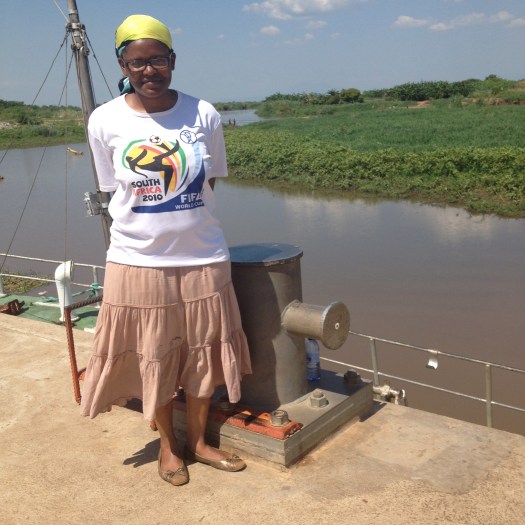
(This is me looking exceptionally ridiculous and tired in my casual research gear in Nsanje Port, Malawi.)

I feared it would throw me in a depressive bout but the inmates have been phenomenal to talk to, even those  who are physically hardened if not scarred by prison life. Many bear wounds that can only result from heavy weaponry, brutal beatings or self-inflicted trauma. But they have been exceptionally forth coming about prison life in Malawi, especially how they view and value health and their livelihoods. I have found that the hardest part about writing a report about their human rights and access to health care within prisons is not so much about internal problems plaguing prison facilities. It is the fact that the perceptions of prisoners  of the general population is so staunchly oppositional that they are almost set up to fail. There is no redemption for the convicted in the eyes of Malawians. There is no reform, no reintegration. Just rejection. It is hard for prisoners everywhere in the world to convince others that they have changed but in a climate of absolute poverty it is almost impossible to mobilize otherwise.

So I am pleased that I am taking part of this work to find a solution on how to improve prospects for acceptance and reintegration for a very stigmatized population of Malawi. So this moment of serendipity was to have this challenging project brought to me. It was affirmation that there is room for humanism even in the world’s most remote and forgotten places of the world.


All’s not fair in love and war…

This past weekend, American forces bombed a hospital operated by Doctors Without Borders in Kunduz, Afghanistan. In a most embarrassing admission, President Obama expressed his condolences to Médecins Sans Frontières (MSF) president Joanne Liu,

http://www.theguardian.com/world/2015/oct/07/doctors-without-borders-bombing-no-advance-warning-aid-charity-says

I have been a long time supporter of this organization and will do what I can to donate money so that they continue their efforts to provide healthcare to the most vulnerable citizens of the world. I am so ashamed of the atrocities that have been inflicted upon people who came there seeking help in the comfort of a trusted organization.

Victims of war should not have to cower in fear of their lives at hospitals. The rules of engagement were broken. MSF deserves more than an apology. I hope President Obama will allow a full independent investigation so that we will know the truth as to how this serious lapse of care happened.

Children’s Hope Malawi

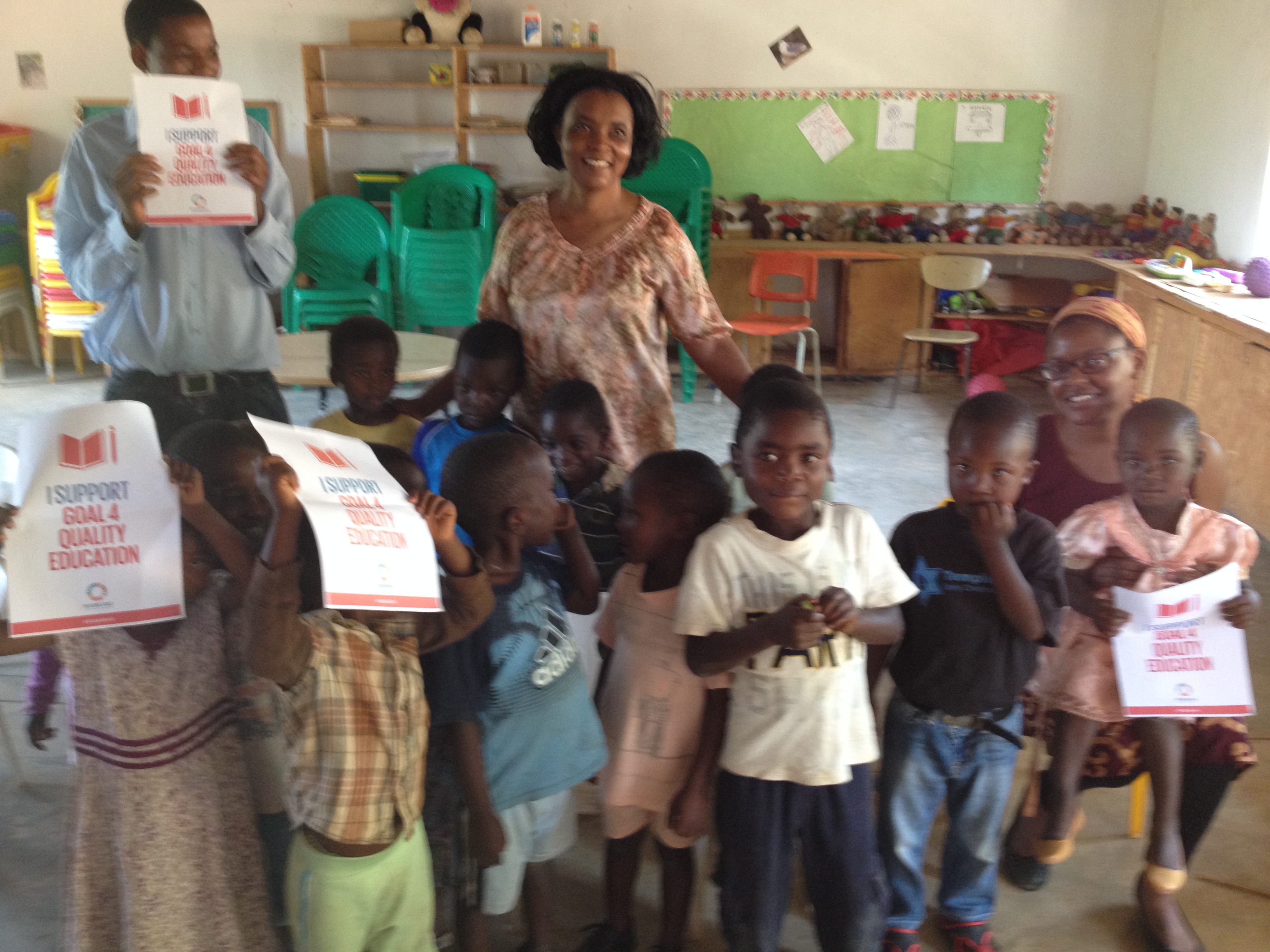
This week the UN ratified 17 goals to end poverty and promote education worldwide. While debates rage on in regards to who is going to fund this initiative, eager people across the world took part in an online declaration to do our part to end poverty. My mother founded an NGO called Children’s Hope Malawi. It started off as an organization called Mtogolo Village Community Based Organization (Mtogolo Village is a collection of villages in the Malemia district in Domasi, Zomba).

This organization started simply with an early education childhood development centre and is slowly developing into much more. With adequate funding and directives, we are hoping to build a self-sustainable model by 2019 so that the initiatives will be self-funded through income generating activities.

Today we gathered with the children to take a picture and unite with the Twittersphere in solidarity in the hope that we can achieve this goal. IMG_4971

The book is Gone Girl…

Shortly after passing my PhD for viva, I pledged to resume reading one novel or nonfiction work that was not related to my own research… per week. Two years later (almost exactly to be precise; that horrid day was 29 September 2013), I decided to act upon my pledge and read Gone Girl: the book everyone was ranting/raving about when I last gave any thoughts to pleasure.

I finally read it last week. I was hooked but I hated it. That’s a rare feeling for me. I’m not one to shy away from abandoning a book if I think it’s rubbish.  It wasn’t even fulfilling to me in the trashy way Days of Our Lives was in the early 1990s but I needed to know what happened and I didn’t want to find out any other way but by finishing it myself. And then of course, I remembered the feminist backlash and I found myself engrossed in that narrative as well because people were struggling to cope with a bestseller having an anti-heroine. Somewhere in that backlash lies my anger.

First, I did not have  a problem with the anti-heroine narrative. I think having female villains is an important feminist form of representation. Especially since, Amy Dunne was intelligent and reactionary against her own husband’s infidelity. I felt that it is honest, though over-represented narrative. What really bothered me was the myth of the cool girl narrative. The bud light drinking, football watching, can quote a few lines from Star Wars, snowboarding chick who is not really valued for much else than that. That part annoyed me as it still is cool in relative to how a woman is able to be compatible with men and not other women or within the scope of self-comfort.

I’m moving on… my next book is the Interpreter of Maladies by Jhumpa Lahiri (1999). I read it in college I think but have no memory of it. I hope it doesn’t annoy me as much as Gone Girl.

Allegory and Metaphor – British Society for Literature and Science

This past week, I travelled to Liverpool to attend the 10th annual conference hosted by the British Society for Literature and Science. This is my fifth year of attendance; I started my involvement with the society in 2010, the year after I began my PhD. I guess you could say this is the place where I ‘cut my teeth’ in the interdisciplinary field of medicine, culture and their representation in literature.

My career trajectory has until last year been relatively a straight arrow. My academic studies have been focused strictly in English: literature, writing, editing and research. During the 4 year interruption between my masters and PhD, I worked as an editor in trade publishing and for the U.S. Government. I’ve had a very defined career path. Technical.

Fast forward to now, where I have been leading a much more ambiguous interdisciplinary project in my historical overview of the development of the Malawian illness narrative. My research is taking a more qualitative turn. During my time at Edinburgh, I’ve taken part in a more diverse array of projects and presentations and I’m still navigating my way around various disciplines modes of research.

Therefore, to find myself immersed in literature again at BSLS was quite a surprisingly warm feeling. Martin Willis, Sharon Ruston, Daniel Brown, Peter Middleton, Janine Rogers and Michael Whitworth led an impressive round-table discussion on the function of analogy in Literature and Science studies. Never mind that the room was freezing but it was a really engaging discussion that brought me back to my own criticisms of Susan Sontag and her stance on eliminating all illness metaphors. It was argued that analogy can be a methodological tool and metaphor can be conceptualized as transmutation. Martin Willis spoke about symbolism and urged a close reading of Paul Ricoeur. I found myself so enthralled because it really threw me back into the dialogue of the literary theorist.

Earlier in my career, I remember many times having prepared a thorough reading of a book and completely disappointed that we spent one hour discussing on paragraph trying to ascribe meaning to a passage. Over time I began to see that as a signifier of the beautiful art that is literary studies. I’m not sure where I will be next year in terms of a research post but I definitely feel as though I reconnect to my inner literary theorist over the past few days.

Have a happy period…

igfeatured

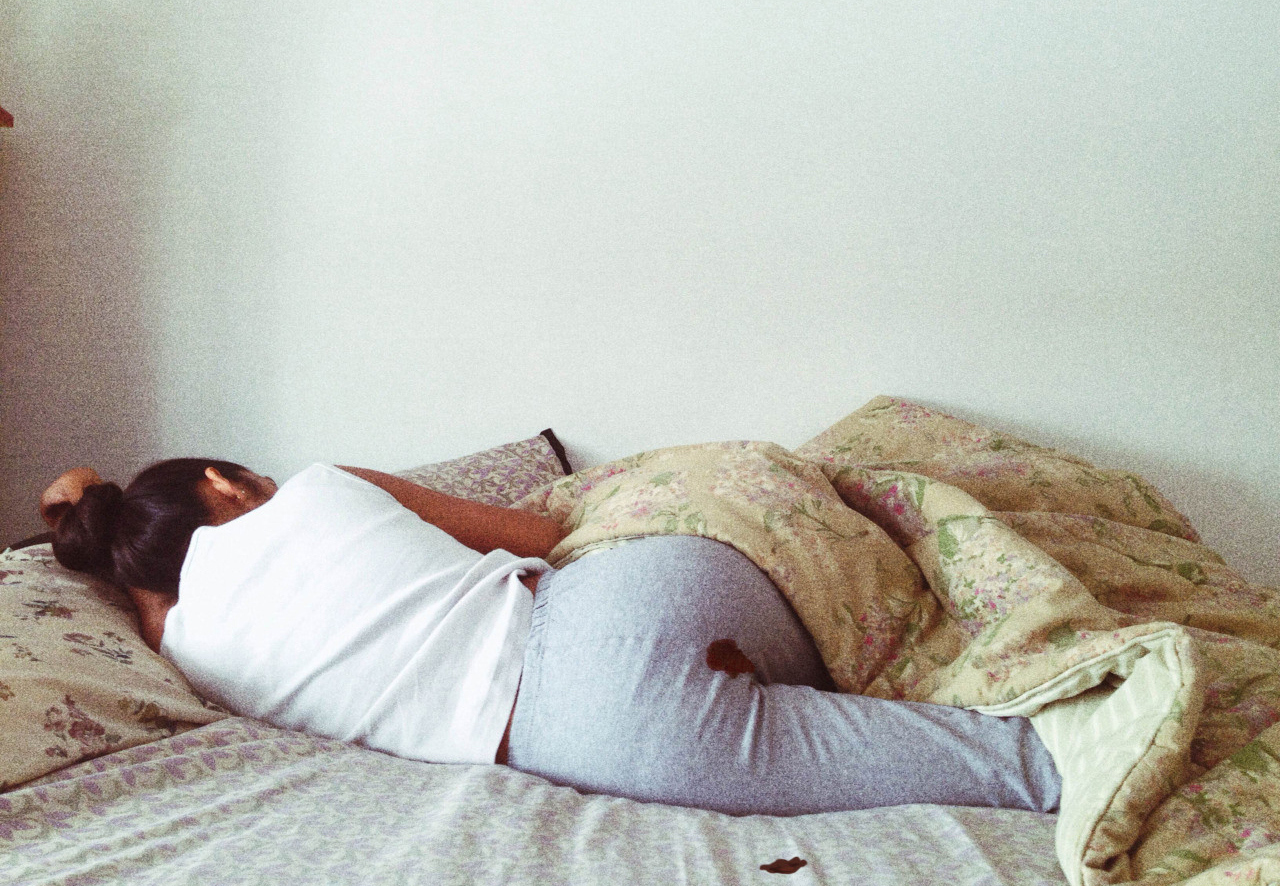
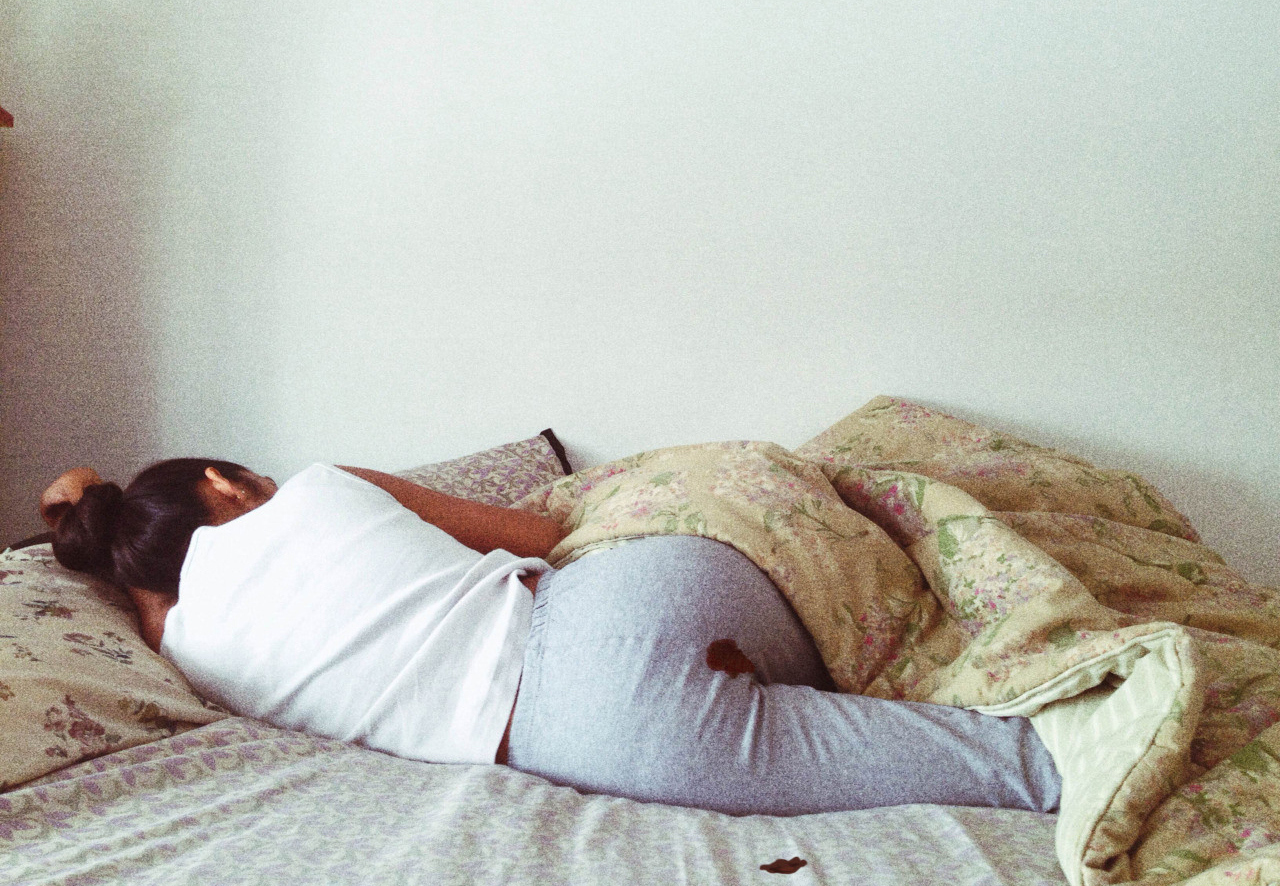
I was very disturbed with Instagram’s decision to repeatedly take down the images posted by Rupi Kaur, a Sikh poet based in Toronto: her visual reflections on women’s (fully clothed mostly) experiences with menstruation. This story is a bit old in cyber speak terms: (http://nytlive.nytimes.com/womenintheworld/2015/03/27/instagram-apologizes-to-woman-for-censoring-her-photo/). Meaning a week has passed and they have already apologized and decided to let the images stand. Because ultimately what they decided is that these pictures were offensive to the general public.

I am actually surprised this happened in 2015, as if Tracey Emin’s “art” hadn’t pushed enough boundaries already for people to be open-minded to the idea of lived visual experience. But it demonstrates that we still live in a society where women are supposed to be quiet about their biology and these natural occurrences are seen as shameful and should be kept private. (Breastfeeding too!) Except when there’s a product to sell.

So I applaud Ms Kaur. I didn’t recoil at the image but rather was comforted by the idea that when she woke up she probably did what all women do in that situation. Look down and say “Oh, fuck!” and get up and change the sheets, put on a tampon/pad and get back to bed. That is the shared women’s experience and I am glad she was savvy enough to show through social media the truth of menstruation: accidents happen.

Tampax™ and Always™ take notice! This is the reality of periods.